
- All
- Product Name
- Product Keyword
- Product Model
- Product Summary
- Product Description
- Multi Field Search
Email: sales@xelitepower.com
 English English
Author: Site Editor Publish Time: 01-22-2026 Origin: Site


Have you ever wondered how to keep your power systems running smoothly without overheating?
In this article, we’ll dive into the role of Isolated DC-DC Converters and how they ensure reliability with efficient thermal management. You’ll learn about the core principles that keep systems cool and stable, and how Xelite’s DC-DC converters are designed to perform under demanding conditions.
Isolated DC-DC converters play a critical role in electrical systems by providing galvanic isolation between the input and output circuits. This isolation is essential in protecting sensitive equipment from electrical faults, preventing ground loops, and enhancing the safety and reliability of power conversion. Xelite's products leverage this principle by using transformers and opto-isolators to achieve separation. These components ensure that there is no direct electrical connection between the circuits, which significantly reduces the risk of damage caused by high-voltage surges or electrical malfunctions.
The key benefits of isolation in DC-DC converters include:
● Enhanced safety for both equipment and personnel by ensuring that electrical faults do not propagate across circuits.
● Reduced noise and interference which is crucial in sensitive applications such as telecommunications or medical devices.
● Prevention of ground loops which can cause errors and inefficiencies in system operation.
In addition to the safety features, isolation in DC-DC converters provides several critical advantages for high-voltage applications:
● Noise suppression: The isolation barrier significantly reduces electromagnetic interference (EMI) and high-frequency noise. This is especially important in environments where electrical noise could disrupt operations, such as in medical devices or audio equipment.
● Ground loop elimination: Ground loops can create voltage differences that affect equipment performance. Isolated converters eliminate this issue by ensuring the input and output are electrically separated, preventing unwanted currents.
● Improved system reliability: Isolated DC-DC converters are crucial in applications where system uptime and failure prevention are critical. For example, in industrial or medical applications, isolation helps protect sensitive equipment from the hazards of high-voltage electrical systems.
Feature | Benefit |
Galvanic Isolation | Protects sensitive electronics and improves safety |
Noise Suppression | Reduces EMI and electrical interference, ensuring smooth system operation |
Ground Loop Elimination | Prevents damage from voltage differences in equipment |
Enhanced Reliability | Increases longevity and reduces maintenance costs by safeguarding devices from faults |
Isolated DC-DC converters like those from Xelite are designed with these mechanisms in mind, ensuring they meet the rigorous standards required by industries like telecommunications, industrial automation, and medical fields.
The incorporation of advanced isolation mechanisms allows Xelite’s converters to perform reliably under a wide range of voltage inputs, making them an essential solution for high-voltage and noise-sensitive applications.
High-quality isolated DC-DC converters offer a wide input voltage range, making them versatile for various applications. For example, Xelite’s converters handle input voltages between 20V and 90V, providing flexibility in dynamic environments where voltage can fluctuate. This capability ensures stable power conversion, even when the power supply is inconsistent. Whether in automotive systems, industrial automation, or telecommunications infrastructure, these converters ensure reliable performance by adapting to different voltage levels.
Applications in these environments benefit greatly from this flexibility:
● Automotive systems: Power distribution in electric vehicles, where varying voltage levels are common.
● Industrial automation: Adapting to the power needs of diverse machinery and equipment, ensuring stable operations across the factory floor.
● Telecommunications: Supporting network infrastructure that experiences regular fluctuations in power input.
Application | Voltage Range | Benefit |
Automotive Systems | 20V–90V | Reliable power conversion for electric vehicle components |
Industrial Automation | 20V–90V | Stable power for varying machinery and equipment needs |
Telecommunications | 20V–90V | Ensures consistent network operations in fluctuating conditions |
Achieving high efficiency in DC-DC converters is crucial, especially in applications where minimizing energy loss is essential. Xelite’s DC-DC converters achieve efficiency rates of 93% or higher, which significantly reduces power loss as heat. This high efficiency not only improves overall system performance but also contributes to a longer lifespan of the converter and the equipment it powers.
Protection is another key feature. Xelite’s converters include a variety of safety mechanisms to protect both the converter and the connected equipment:
● Over-voltage protection: Prevents the converter from outputting too much voltage, which could damage sensitive devices.
● Short-circuit protection: Ensures the converter stops working if a short circuit is detected, preventing further damage.
● Thermal protection: Shuts down the converter if it overheats, protecting internal components.
● Over-current protection: Stops the converter from delivering excessive current, ensuring safe operation.
Protection Mechanism | Purpose |
Over-voltage protection | Prevents damage from excess voltage |
Short-circuit protection | Stops operation to avoid damage during short circuits |
Thermal protection | Protects against overheating by shutting down the system |
Over-current protection | Limits the current to avoid damage to devices |
This multi-layered protection approach ensures that isolated DC-DC converters like those from Xelite deliver both high efficiency and reliable protection across a wide range of environments and applications.
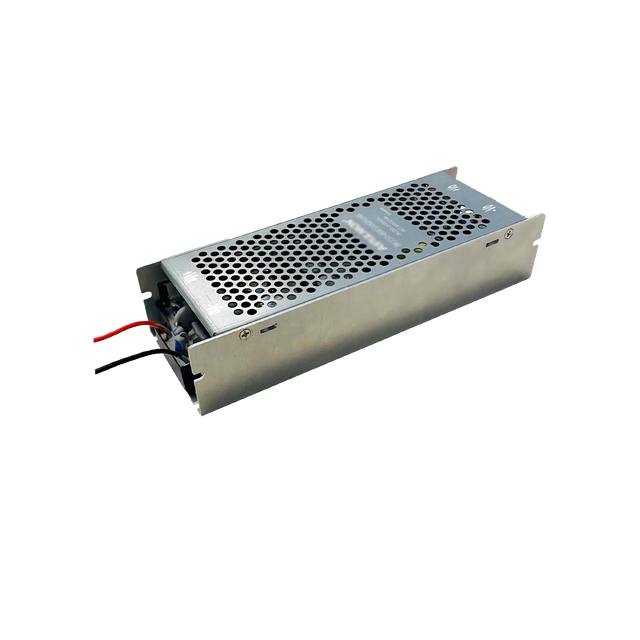
The design of Xelite’s isolated DC-DC converters focuses on both compactness and durability, making them ideal for space-constrained environments where size and performance are key. These converters are built with IP67-rated waterproofing and heat management features, which protect against harsh environmental conditions such as dust, moisture, and extreme temperatures. This robust construction ensures the longevity of the converters, even in demanding settings.
For applications where space is limited, the small footprint of these converters offers a significant advantage. Whether installed in embedded systems, smart modules, or automated equipment, they provide reliable power conversion without taking up valuable space. The IP67 rating makes them ideal for industries such as automotive, where dust and moisture are common concerns, and marine environments, where converters need to withstand wet conditions.
Feature | Benefit |
IP67 Waterproofing | Protects against dust and moisture, ideal for harsh environments |
Compact Size | Perfect for space-constrained applications like embedded systems |
Robust Construction | Ensures durability and reliable performance in tough conditions |
These design attributes not only enhance the converter's performance but also ensure it can be deployed in challenging environments without compromising reliability.
Thermal management in DC-DC converters is essential for ensuring long-term reliability and optimal performance. As power conversion processes generate heat, improper heat dissipation can lead to overheating, which degrades performance and accelerates component failure. Effective thermal management controls this heat buildup, ensuring that components remain within safe operating temperatures, thereby preventing damage and improving overall system stability.
Key components that contribute to effective thermal cooling include:
● Heat sinks: These passive cooling devices increase the surface area to dissipate heat more effectively.
● Fans: Active cooling systems that force air over the converter to enhance heat dissipation.
● Liquid cooling systems: These advanced solutions circulate coolant around the converter, effectively reducing heat in high-power applications.
By ensuring that DC-DC converters remain cool under heavy loads, thermal management directly impacts both the efficiency and reliability of the system. Without proper cooling, the converter's efficiency decreases, leading to potential system downtime and early failure.
Xelite’s high-performance 150W Isolated DC-DC Converter is a prime example of how advanced thermal management techniques can maintain high operational efficiency. This converter incorporates robust heat dissipation systems designed to handle demanding conditions in industrial and outdoor environments. By combining heat sink technology, optimal airflow design, and advanced thermal materials, Xelite ensures that the converter operates at its peak performance even under high-load conditions.
The converter’s IP67 rating further protects it from dust and moisture, preventing environmental factors from interfering with its cooling processes. This means that Xelite's converter can function reliably in harsh conditions, such as in the automotive industry or outdoor installations, where thermal management is especially critical.
Thermal Management Feature | Benefit |
Heat Sink Technology | Increased surface area for enhanced cooling |
Optimal Airflow Design | Maximizes air circulation, preventing hot spots |
Advanced Thermal Materials | Efficiently dissipates heat in compact designs |
Xelite also employs advanced thermal regulation to minimize performance degradation during high-load operations. This proactive approach ensures that the converter remains efficient, regardless of the surrounding temperature, contributing to longer operational lifespans and reducing the likelihood of overheating failures. With these techniques, Xelite’s converters stand out for their reliability and durability in even the most challenging environments.
Isolation in DC-DC converters plays a vital role in maintaining the integrity and safety of electrical systems, especially in applications where even minor electrical faults can have serious consequences. In medical devices, isolation is a non-negotiable feature. It ensures that high-voltage circuits do not affect low-voltage circuits, protecting both equipment and patient safety. This isolation prevents electrical interference that could disrupt the function of sensitive medical equipment.
Similarly, in high-voltage environments such as industrial automation or telecommunications, isolation helps to prevent electrical faults from damaging sensitive components. By ensuring that there is no direct electrical connection between the input and output circuits, isolated converters protect both equipment and personnel from the dangers of electrical surges or faults. In addition, isolation helps in reducing electromagnetic interference (EMI), which is critical for maintaining the stability of signals, especially in communication devices, sensors, and medical equipment.
The key benefits of isolation in DC-DC converters include:
● Enhanced safety: Protects sensitive components and personnel from electrical hazards.
● Reduced EMI: Helps maintain clear and stable signals in communication and medical systems.
● Ground loop prevention: Eliminates unwanted currents that can interfere with system performance.
Xelite’s Isolated DC-DC Converters utilize advanced isolation techniques to deliver these crucial benefits, ensuring safety and reliable performance in a wide range of high-risk applications, such as in the automotive, medical, and telecommunications industries.
While isolated DC-DC converters are essential in high-risk and sensitive applications, non-isolated converters are often a more cost-effective and straightforward solution for low-risk, low-power applications. These converters are ideal in environments where electrical faults and electromagnetic interference are minimal or not a concern.
For example, non-isolated converters are commonly used in applications where the voltage levels are relatively low, and the need for isolation is not as critical. In these cases, non-isolated converters offer several advantages:
● Lower cost: Without the need for isolation components, non-isolated converters are typically more affordable.
● Simplified design: They have fewer components, making them easier and quicker to integrate into basic power conversion systems.
● Smaller size: These converters are often more compact, making them suitable for small and space-constrained applications, such as sensors and embedded systems.
However, non-isolated converters may not be appropriate for applications requiring high safety, signal integrity, and reliability, as they lack the protective barrier that isolated converters provide. For example, in medical devices, telecommunications, and high-voltage systems, the absence of isolation can lead to potential system failures and damage.
While non-isolated converters are ideal for low-power applications, Xelite’s isolated converters offer the added protection needed in more demanding environments where system integrity and safety are paramount. Whether in medical, telecom, or industrial applications, Xelite’s isolated DC-DC converters provide the necessary isolation to ensure both safety and reliability.
When selecting an isolated DC-DC converter, one of the most critical factors to consider is ensuring that the input and output voltage specifications match the system's needs. The converter should be able to handle fluctuations in the input voltage while maintaining a stable and reliable output. This is especially important in industrial environments or systems like electric vehicles and telecommunications, where voltage levels can vary significantly.
It's essential to carefully assess the converter’s input range and ensure it is compatible with the system's voltage requirements. For instance, Xelite’s 20V–90V input range ensures versatility across various applications. Matching the input and output voltages correctly helps avoid system inefficiencies, potential damage, and performance degradation.
High efficiency in DC-DC converters also plays a crucial role. Converters with efficiency ratings above 93% ensure that less energy is lost as heat, which leads to:
● Lower operational costs: Reduced energy consumption directly correlates with lower electricity bills.
● Increased system longevity: Efficient power conversion generates less heat, reducing wear and tear on components.
● Improved environmental sustainability: Higher efficiency translates into reduced waste and energy consumption.
Xelite’s high-efficiency DC-DC converters ensure that your system remains cost-effective, reliable, and sustainable, providing optimal performance in power-sensitive environments.
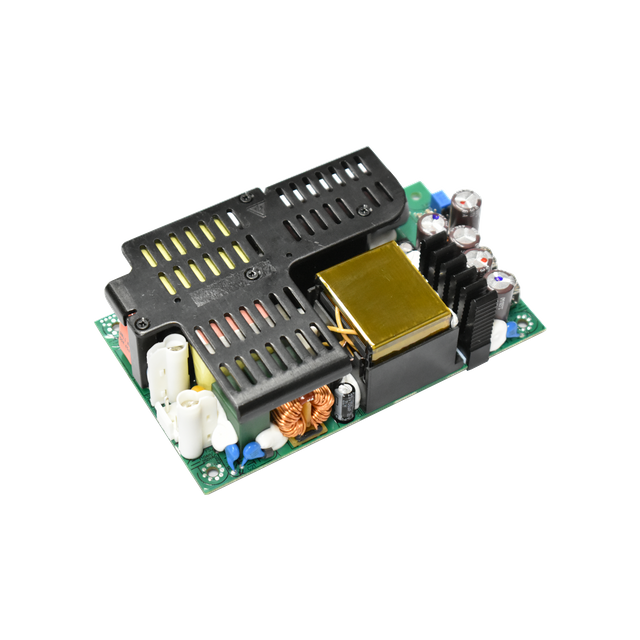
Choosing the right converter also involves understanding its environmental ratings and certifications, which ensure that it can withstand harsh conditions while still delivering reliable performance. Important certifications include RoHS (Restriction of Hazardous Substances) and CE (Conformité Européenne), which indicate that the converter complies with both safety standards and environmental regulations.
Xelite’s products come with various environmental certifications, assuring customers that the converters meet global standards for safety and eco-friendliness. These certifications are particularly important when dealing with sensitive applications, such as medical equipment or telecommunication infrastructure, where compliance with safety standards is crucial.
Another key consideration is the converter’s temperature tolerance. DC-DC converters used in industrial or outdoor environments must be able to operate in extreme temperatures. Many converters, including those from Xelite, are designed to work reliably within a temperature range of –40°C to +85°C, ensuring stability even in harsh environments.
In addition to temperature tolerance, converters must also be moisture-resistant and mechanically robust. For example, Xelite’s IP67-rated DC-DC converters offer dust and moisture protection, making them ideal for automotive, marine, and outdoor applications, where exposure to water and dirt is inevitable.
Environmental Factor | Xelite's Features |
Temperature Tolerance | Reliable performance in temperatures from –40°C to +85°C |
Moisture Resistance | IP67 rating ensures protection from dust and moisture |
Mechanical Robustness | Designed for harsh environments with rugged housing |
These environmental features ensure that Xelite’s isolated DC-DC converters deliver reliable performance under tough conditions, making them the ideal choice for applications that demand durability and safety.
This article explored how Xelite’s Isolated DC-DC Converters improve system reliability with advanced thermal management. Their high efficiency, robust design, and reliable performance in tough environments make them ideal for applications in industries like medical devices, telecommunications, and electric vehicles.
A: An Isolated DC-DC Converter is a power converter that provides electrical isolation between the input and output circuits, protecting sensitive components and preventing interference.
A: Effective thermal management prevents overheating, ensures stable performance, and extends the lifespan of DC-DC Converters, especially in high-power applications.
A: Isolation protects sensitive equipment from voltage spikes, reduces noise interference, and enhances safety in critical applications like medical devices and telecommunications.
A: Consider factors like input/output voltage range, efficiency, and environmental conditions. For high-performance needs, select a converter with advanced thermal management features.
A: Xelite’s converters offer high efficiency, robust thermal management, and reliable performance in harsh environments, making them ideal for automotive, medical, and industrial applications.


