
- All
- Product Name
- Product Keyword
- Product Model
- Product Summary
- Product Description
- Multi Field Search
Email: sales@xelitepower.com
 English English
Author: Site Editor Publish Time: 01-21-2026 Origin: Site


Power stability often defines system reliability, and small voltage changes can cause large problems in real applications. This is why a DC-DC Converter plays a critical role in industrial and medical power systems. In this article, we explore high-efficiency DC-DC Converter solutions and explain how their design supports stable output, thermal control, and long-term, safe operation in demanding environments.
A DC-DC Converter converts one DC voltage level into another so electronic systems receive stable and usable power. In real applications, input voltage often comes from batteries or DC buses and rarely matches the working voltage of control boards or sensors. A DC-DC Converter bridges this gap and keeps output stable during load changes. In industrial and medical power systems, this function is essential. Equipment runs for long periods, loads vary, and voltage stability directly affects reliability. Xelite designs its DC-DC Converter products around these real operating conditions, focusing on consistent regulation and dependable performance.
A DC-DC Converter generally works in three common ways:
● Step-down conversion, reducing higher DC voltage for logic circuits and control boards.
● Step-up conversion, increasing lower DC voltage to support specific devices.
● Adjustable conversion, allowing flexible output settings for different system designs.
Conversion Type | Main Purpose | Typical Use |
Step-down | Lower DC voltage | Control boards, sensors |
Step-up | Raise DC voltage | Battery-powered modules |
Adjustable | Flexible output | Industrial and medical systems |
A DC-DC Converter is preferred over linear regulation because efficiency matters in continuous-operation systems. Linear regulators dissipate excess voltage as heat, which increases thermal stress and reduces system lifespan. A DC-DC Converter minimizes this loss through efficient switching, helping systems stay cooler and more reliable.
In industrial equipment and medical devices, lower heat generation allows higher power density and more compact designs. It also improves tolerance to input voltage fluctuation, which is common in DC-powered systems. Xelite’s DC-DC Converter solutions follow this efficiency-driven approach, supporting stable output and long-term operation without unnecessary thermal burden.
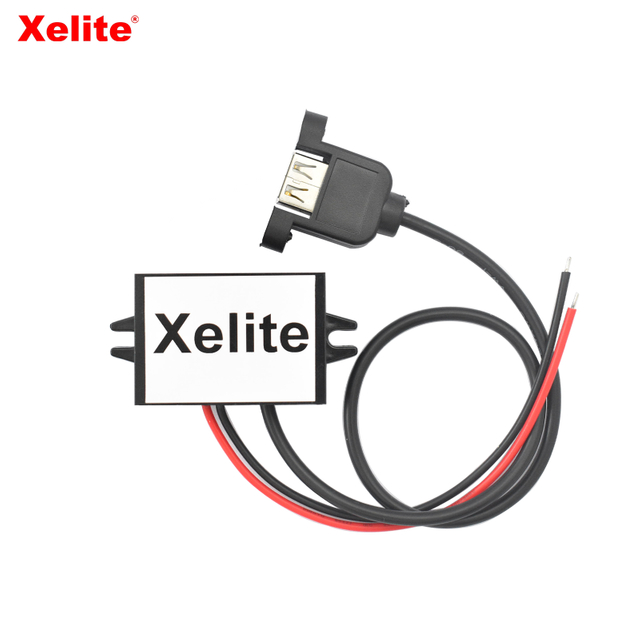
Industrial power systems operate under conditions that push components over long periods. Input voltage often fluctuates because power comes from batteries, DC buses, or rectified sources. Equipment usually runs continuously, so current demand stays high and heat builds up inside cabinets. Noise, vibration, and dust add more pressure on power modules. These factors turn power conversion into a long-term reliability issue rather than a simple voltage adjustment task. A DC-DC Converter helps manage these challenges by keeping output voltage stable even when input conditions change. Xelite designs its DC-DC Converter products around these real industrial environments, focusing on predictable behavior and steady performance during continuous operation.
● Wide and unstable DC input sources
● Long operating hours under constant load
● Heat accumulation inside enclosed systems
● Electrical noise and harsh environmental conditions
High efficiency directly affects how industrial systems age over time. When a DC-DC Converter converts power efficiently, it produces less heat. Lower heat reduces stress on internal components and allows more compact layouts in control panels. This matters in automation cabinets and communication racks where space remains limited. Stable output voltage also protects controllers, sensors, and communication modules. They depend on clean and consistent power to avoid faults or unexpected shutdowns. Xelite focuses on DC-DC Converter designs that balance efficiency, regulation, and built-in protection, helping systems stay operational during overloads or abnormal conditions.
● Reduced energy loss during conversion
● Lower internal temperature rise
● More stable voltage for sensitive electronics
● Protection against overload, short circuit, and thermal stress
Reliability Factor | Role of DC-DC Converter | Practical Benefit |
Efficiency | Limits power loss | Less heat, longer lifespan |
Voltage regulation | Maintains stable output | Fewer system faults |
Protection behavior | Manages abnormal conditions | Improved uptime |
Industrial systems rely on DC-DC Converters across many layers of power architecture. Control and automation equipment uses regulated DC rails for logic and I/O modules. Communication and monitoring devices need consistent power to maintain signal integrity. LED lighting and internal power distribution depend on steady voltage to keep performance stable over time. Battery-powered and renewable energy subsystems add another challenge. Their input voltage changes constantly during charge and discharge cycles. A DC-DC Converter smooths these variations and delivers usable DC power downstream. Xelite develops DC-DC Converter solutions to support these everyday industrial applications, focusing on adaptability and long-term reliability rather than narrow use cases.
● Industrial control and automation systems
● Communication and monitoring equipment
● LED lighting and internal power distribution modules
● Battery-powered systems and renewable energy subsystems
Medical systems operate in environments where power failure is not an option. Devices often run continuously, sometimes for days, and even small voltage disturbances can affect accuracy or stability. Medical electronics are sensitive by nature, so power behavior must remain predictable during every operating state. A DC-DC Converter plays a central role here, delivering regulated DC power even when input conditions change. Xelite approaches medical power design by focusing on steady output and controlled behavior. They design DC-DC Converter solutions to support long operating cycles, stable regulation, and consistent performance inside medical equipment.
Key reliability concerns in medical systems include:
● Continuous operation under constant electrical load
● High sensitivity to voltage fluctuation and ripple
● Need for predictable power behavior during start-up and load change
● Strong focus on patient and equipment safety
Medical Power Concern | System Impact | Role of DC-DC Converter |
Voltage instability | Measurement errors | Maintains regulated output |
Long operating hours | Thermal stress | Improves efficiency, limits heat |
Power faults | System interruption | Supports safe operation |
Medical power design focuses on consistency rather than peak performance. Output voltage must remain stable over time, and ripple must stay controlled to avoid interference in sensitive circuits. Thermal behavior also matters, since compact medical devices often lack active cooling. A DC-DC Converter helps manage these demands by converting power efficiently and reducing internal heat generation. Xelite integrates protection functions into its DC-DC Converter designs to support medical systems during abnormal conditions. These protections help limit damage during overloads or temperature rise, supporting safer long-term operation.
Important power characteristics for medical use include:
● Stable DC output for sensitive electronics
● Controlled ripple to reduce signal disturbance
● Efficient conversion to manage heat in compact enclosures
● Built-in protection for overload and thermal stress
Power Requirement | Design Focus | Practical Benefit |
Output stability | Regulated conversion | Reliable device operation |
Thermal control | High efficiency | Longer component life |
Protection behavior | Fault response | Improved safety margin |
DC-DC Converters appear throughout medical equipment power architecture. Monitoring and diagnostic systems rely on stable low-voltage rails for sensors and processing units. Control boards and auxiliary modules need predictable power to manage signals and system logic. Inside medical devices, a DC-DC Converter often sits between the main DC source and sensitive electronics, shaping voltage into usable and reliable levels. Xelite develops DC-DC Converter solutions that support these common medical use cases. They focus on adaptability, stable regulation, and compatibility with long-running medical systems rather than narrow, single-purpose designs.
Common medical applications include:
● Patient monitoring and diagnostic systems
● Medical control boards and auxiliary power modules
● Internal power conversion for embedded medical electronics
● Long-running medical devices requiring stable DC rails
Efficiency directly shapes how a DC-DC Converter performs over time. When conversion efficiency is high, less energy turns into heat, which lowers internal temperature rise and reduces stress on surrounding components. This becomes especially important in industrial cabinets and medical devices, where airflow is limited and systems often run continuously. Lower heat also allows more compact layouts and simplifies enclosure design. Xelite designs its DC-DC Converter products around efficient power transfer and stable regulation. They focus on predictable thermal behavior during long operating cycles, helping equipment remain reliable without relying on complex cooling methods.
From a system design perspective, efficiency influences several practical outcomes:
● Reduced heat generation during continuous operation
● Improved thermal stability inside compact enclosures
● Higher usable power density for space-limited systems
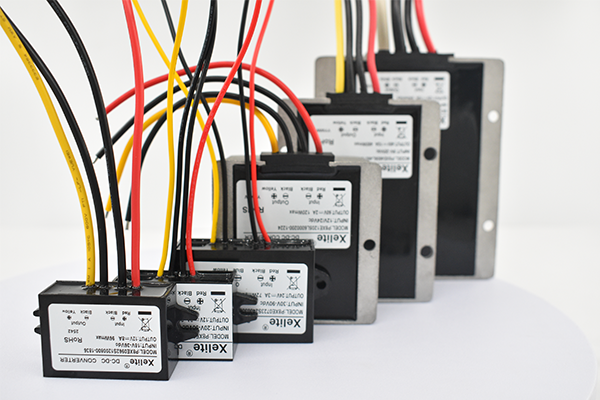
Protection behavior determines how a DC-DC Converter reacts when conditions move outside normal operating ranges. Industrial and medical systems may face overloads, wiring faults, or gradual temperature rise during daily use. A controlled response helps protect both the converter and connected electronics, supporting safe recovery instead of sudden failure. Xelite integrates essential protection mechanisms into its DC-DC Converter designs to support stable operation in real-world environments where faults cannot be completely avoided.
Protection Function | Typical Trigger | Practical Impact |
Over-voltage control | Input or load surge | Protects sensitive downstream circuits |
Over-current response | Excess load demand | Limits electrical stress on components |
Short-circuit handling | Wiring or load fault | Prevents damage and instability |
Over-temperature protection | Heat accumulation | Maintains safe operating conditions |
Mechanical structure defines how easily a DC-DC Converter integrates into real equipment. Industrial panels and medical devices often leave limited room for power modules, so compact form factors simplify layout and wiring. Structure also affects heat dissipation and long-term mechanical stability during continuous operation. Xelite designs DC-DC Converter products for practical integration, considering enclosure compatibility and mounting reliability rather than focusing only on electrical performance.
When evaluating mechanical integration, engineers usually focus on:
● Compact size for space-constrained industrial and medical systems
● Enclosure designs suitable for controlled and semi-enclosed environments
● Stable mounting structures that support long service life
Selecting a DC-DC Converter starts by understanding the real needs of the system rather than looking only at headline specifications. In industrial and medical power systems, voltage sources are often unstable and loads change during operation. Asking the right questions early helps avoid oversizing, thermal problems, or unnecessary redesign later. Xelite supports customers by aligning DC-DC Converter selection with actual operating conditions, helping systems stay reliable during long duty cycles.
When evaluating a DC-DC Converter, customers usually focus on several core questions:
● What input voltage range will the system see during normal and abnormal operation, especially from batteries or DC buses?
● What output voltage and current levels are required to support control boards, sensors, or medical electronics consistently?
● What efficiency level is acceptable to control heat generation and enclosure size over continuous use?
These questions guide the selection process and help narrow options before moving into deeper design checks.
Choosing a DC-DC Converter always involves balancing performance and long-term reliability. Higher power and higher efficiency often increase thermal density, so designers must consider how much heat the system can safely dissipate. Protection behavior also matters, since industrial and medical systems cannot tolerate unpredictable shutdowns. Xelite designs its DC-DC Converter products to balance these factors, focusing on stable operation, controlled thermal behavior, and predictable protection response across different environments.
Selection Factor | Design Consideration | Impact on System |
Power level | Matching real load demand | Avoids oversizing and excess heat |
Efficiency | Reducing conversion loss | Improves thermal stability |
Protection features | Managing fault conditions | Enhances system safety |
Operating environment | Temperature and duty cycle | Supports long-term reliability |
High-efficiency DC-DC Converter design supports stable and reliable power delivery in industrial and medical systems, where efficiency, protection behavior, and mechanical structure directly affect thermal performance and service life. Xelite provides DC-DC Converter solutions focused on practical integration, predictable operation, and broad application coverage, helping equipment maintain consistent performance during long-term use.
A: A DC-DC Converter regulates DC voltage to ensure stable power for industrial equipment and medical electronics.
A: High efficiency reduces heat, improves reliability, and supports continuous operation in industrial and medical power systems.
A: A DC-DC Converter provides stable output and protection, helping sensitive medical electronics operate predictably.
A: Yes, DC-DC Converters are designed for long duty cycles, handling load changes and harsh environments.
A: Cost depends on power level, efficiency, protection features, and application requirements.


