
- All
- Product Name
- Product Keyword
- Product Model
- Product Summary
- Product Description
- Multi Field Search
Email: sales@xelitepower.com
 English English
Author: Site Editor Publish Time: 02-09-2026 Origin: Site


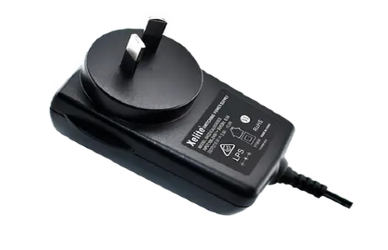
Electrical surges pose significant risks to lighting power adapters, as sudden spikes in voltage can cause overheating, malfunctions, or complete failure of the adapter and connected devices. These surges can be caused by various factors, such as lightning strikes, power grid fluctuations, or the activation of heavy electrical equipment. Without adequate surge protection, lighting systems are vulnerable to such unpredictable events, leading to costly repairs and potential downtime. Surge protection is essential to maintaining system stability and extending the longevity of your lighting power adapter. By safeguarding against power surges, businesses and homeowners can ensure the uninterrupted and reliable operation of their lighting systems, avoiding disruptions and preserving the performance of their equipment over time.
Electrical surges, also known as voltage spikes, are sudden increases in voltage that can last for microseconds or longer. Common causes include:
Lightning Strikes: Lightning can cause a dramatic surge of power when it strikes nearby power lines or electrical systems, sending excess voltage through the grid and into connected devices.
Power Grid Fluctuations: Power supply inconsistencies, such as voltage spikes or drops, often occur when utility companies switch or repair circuits, or when large electrical loads are suddenly turned on or off.
Motor or Equipment Startups: Large electrical equipment such as air conditioners, elevators, or industrial machinery can create surges when they start up, due to the demand for power to get the motor moving.
Faulty Wiring or Power Outages: Problems with wiring, such as loose connections, or fluctuations due to power outages can also generate voltage spikes in the system.
Electrical surges can cause significant harm to lighting power adapters and the devices they power in several ways:
Overheating: Surges cause a rapid increase in power flow, which can overheat the internal components of the power adapter and the connected lighting system. This can result in permanent damage to sensitive circuits or even cause the adapter to fail completely.
Component Breakdown: The excess voltage from a surge can overload the circuits in the power adapter, leading to short-circuiting or physical damage to components like resistors, capacitors, or transistors. This breakdown can render the adapter useless and affect the performance of connected lights.
Fried Internal Components: Surges can burn out the internal components of both the adapter and lighting devices, such as bulbs or LED drivers, causing them to malfunction or fail entirely.
Reduced Lifespan: Even if a surge doesn't immediately destroy equipment, repeated exposure to power surges can gradually degrade the internal components, shortening the lifespan of both the power adapter and lighting devices.
Surge protectors protect power adapters by diverting excess voltage caused by surges or spikes away from connected devices. They absorb or redirect the excess energy, preventing it from reaching the adapter or lighting system. Surge protectors help avoid overheating, component damage, and equipment failure due to power surges from lightning strikes, grid fluctuations, or equipment startups. By using a surge protector, you extend the lifespan of power adapters and connected devices, preventing costly repairs.
Voltage Rating: Ensure the surge protector matches your power adapter's voltage, such as 120V for standard home lighting systems.
Wattage Capacity: Choose a surge protector with sufficient capacity to handle the total wattage of your lighting system. Check the wattage of your lights and match it to the surge protector’s rating.
Joule Rating: A higher joule rating indicates better protection. For lighting systems, select a surge protector with a joule rating above the total wattage to ensure effective surge absorption.
Response Time: Choose a surge protector with a fast response time to protect your devices from immediate surges.
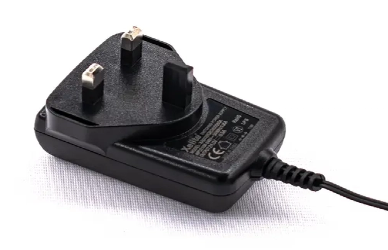
Surge protectors can wear out over time, especially after absorbing multiple power surges. As they take on more surges, their ability to protect connected devices diminishes. Regular inspection is crucial to ensure that the surge protector is still functional and capable of handling future surges. Wear and tear, visible damage, or the degradation of internal components can reduce the effectiveness of the surge protector, leaving your equipment vulnerable to power fluctuations.
Check for Indicator Lights: Many surge protectors come with an indicator light that shows whether the protection is still active. If the light is off or shows an error, it may indicate that the surge protector is no longer functioning properly.
Look for Physical Damage: Inspect the surge protector for signs of overheating, such as discoloration, burn marks, or a burnt smell. These signs indicate internal damage and may mean the protector has reached its capacity.
Test Regularly: Some surge protectors come with a testing feature or can be checked with a multimeter to ensure they’re still offering adequate protection.
Replace After Major Surges: If the surge protector has absorbed a significant power surge (e.g., lightning strike), it should be replaced, as its protective components may be compromised.
An Uninterruptible Power Supply (UPS) is an essential backup power solution that not only provides power during outages but also offers additional surge protection. A UPS is designed to protect connected devices from power fluctuations, including voltage spikes and surges. In the event of a power outage or surge, the UPS instantly switches to battery power, preventing damage from abrupt voltage changes. This added layer of protection is especially beneficial for critical lighting systems, as it ensures continued operation and safeguards sensitive components from power disruptions.
High-quality power strips with built-in surge protection are an affordable and effective way to protect lighting power adapters and other devices from power surges. These power strips often feature MOV (Metal Oxide Varistor) technology, which absorbs excess voltage and prevents it from reaching the connected devices. When choosing a power strip, ensure it has a high joule rating, indicating better capacity to handle surges. Additionally, select power strips that offer adequate protection for the wattage and voltage of your lighting system to ensure safe operation.
By integrating a UPS or using a quality surge-protecting power strip, you can further enhance the safety and longevity of your lighting power adapter, reducing the risk of damage from electrical surges.
A power surge is a sudden increase in voltage lasting for several milliseconds, often caused by events like lightning strikes or power grid fluctuations. A voltage spike, on the other hand, is a brief and sharp increase in voltage, usually caused by electrical equipment turning on or off. Both can damage electrical components, but surges are typically longer-lasting than spikes.
No, not all power strips provide surge protection. Many basic power strips only serve as an extension of outlets without surge protection. Look for power strips specifically labeled as "surge protectors," which include internal components designed to absorb voltage spikes and protect your lighting power adapter.
Most surge protectors have an indicator light that shows whether protection is active. If the light is off, the surge protector may no longer provide protection. Additionally, if the protector has absorbed several large surges (such as from lightning strikes), it should be replaced, as its internal components may be compromised.
Surge protectors can offer some protection against lightning strikes by diverting excess voltage caused by the surge. However, they may not fully protect against a direct lightning strike, which can produce extremely high voltages. For optimal protection, a combination of surge protectors and a whole-house surge protector may be necessary to safeguard against lightning-related damage.
Surge protection is essential for protecting your lighting power adapters from the harmful effects of electrical surges and spikes. Power surges, whether caused by lightning, power grid issues, or equipment malfunctions, can lead to overheating, system failures, or permanent damage to both the power adapter and the lighting system itself. By investing in high-quality surge protection devices, such as surge protectors, uninterruptible power supplies (UPS), or power strips with built-in surge protection, you can prevent these issues. These protective devices act as a first line of defense, ensuring the stability and reliability of your lighting system. In addition to preventing costly repairs and unexpected downtime, surge protection extends the lifespan of your equipment, providing long-term value and peace of mind. Taking proactive steps to secure your lighting system against power disturbances will safeguard its performance, ensuring it operates efficiently and safely for years to come.


