
- All
- Product Name
- Product Keyword
- Product Model
- Product Summary
- Product Description
- Multi Field Search
Email: sales@xelitepower.com
 English English
Author: Site Editor Publish Time: 02-03-2026 Origin: Site


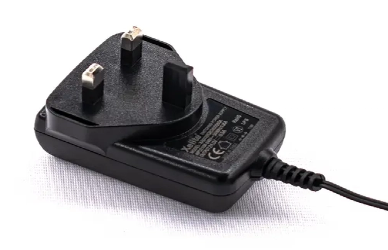
Selecting the right voltage and wattage for a lighting power adapter is crucial for ensuring the proper functioning and longevity of your lighting system. If the voltage is too high or too low, or if the wattage is insufficient, it can lead to poor performance, overheating, or even permanent damage to the lights and the power adapter. For instance, an underpowered adapter might not be able to provide enough energy, causing flickering or dim lights, while an overpowered adapter could result in overheating or burnt-out bulbs. Therefore, matching the voltage and wattage to the requirements of your lighting system is essential to maintain efficiency, safety, and optimal performance.
Each type of lighting system has specific voltage requirements to function correctly:
LED Lights: Typically require low voltage, such as 12V or 24V for residential and commercial applications. Some higher voltage LEDs (e.g., 120V) are used in specialized applications, but they are designed for energy efficiency and depend on proper voltage to maintain brightness and longevity.
Halogen Bulbs: Usually operate on 120V or 230V, depending on the region. Halogen bulbs work with standard line voltage but can overheat if connected to the wrong voltage, affecting their performance and lifespan.
CFL (Compact Fluorescent Lights): These lights typically operate at 110V-120V depending on the country. Incorrect voltage can cause them to flicker or fail to turn on properly.
Matching the correct voltage to your lighting system is essential for the following reasons:
Overvoltage Risks: Using a higher voltage than required can lead to excessive current, causing overheating, shortened bulb life, or permanent damage to the lighting components.
Undervoltage Risks: Insufficient voltage can prevent the light from reaching its optimal brightness, cause flickering, or even prevent the light from turning on, resulting in inefficient performance.
By selecting the correct voltage for your lighting system, you ensure that it runs efficiently, safely, and with optimal performance. This reduces the risk of energy waste, damage to the lights, and unnecessary repairs, contributing to both cost savings and longevity of your lighting components.
To calculate the total wattage requirement for your lighting system, follow these steps:
Identify the Wattage of Each Bulb: Check the power rating (wattage) listed on each bulb or lighting device. For example, if you have ten LED bulbs, each rated at 5W, the total wattage will be calculated as:
Total Wattage = Number of Bulbs × Wattage per Bulb
Total Wattage = 10 × 5W = 50W
Add Up the Wattage: If you have multiple types of bulbs or devices, sum the wattages of all components in the lighting setup. For instance, if you also have two 10W halogen bulbs, the total wattage for the setup will be:
Total Wattage = (10 × 5W) + (2 × 10W) = 50W + 20W = 70W
This total wattage is the amount of power required to run the entire system.
Choosing a power adapter with the appropriate wattage is crucial for several reasons:
Avoid Overloading: A power adapter with insufficient wattage may struggle to provide enough power to all connected devices, potentially causing overheating, malfunction, or even damage to the adapter and lighting components.
Ensure Reliable Performance: A power adapter with adequate wattage ensures that each bulb or device gets the correct amount of power, allowing the lighting system to function at its full brightness and efficiency.
Future-Proofing: If you plan to expand your lighting setup in the future, it’s wise to choose a power adapter with slightly higher wattage than the current requirements. This will accommodate any additional devices without overloading the adapter.
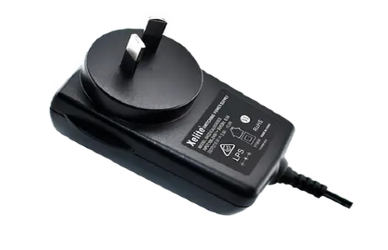
Voltage and wattage are closely related to the type of lighting system you are using. Voltage determines the electrical potential required for a system to operate, while wattage indicates the total power consumption.
LED lights, for instance, typically require low voltage (12V or 24V) and consume less wattage (e.g., 5W to 10W per bulb) compared to traditional lighting systems.
Halogen bulbs, which usually require higher voltages (120V or 230V), consume more wattage (e.g., 35W to 100W), and are designed for standard line voltage.
Incandescent bulbs also typically use higher voltages (120V or 230V), with wattages ranging from 40W to 100W.
The key is to ensure that the power supply provides the correct voltage to each type of light and can handle the total wattage of all connected devices.
Check the Voltage Rating of the Light: Always ensure that the voltage of the power adapter matches the voltage requirement of the lighting system. Using a power supply with the wrong voltage can lead to malfunction or damage.
For instance, a 12V LED system needs a 12V power adapter, while a 120V halogen bulb needs a 120V adapter.
Match the Wattage to the Power Supply Capacity: Ensure the power supply can handle the total wattage of all the lights. If the total wattage exceeds the adapter's rating, the system could overheat or cause the adapter to fail.
For example, if you have 10 LED bulbs at 5W each, you need a power adapter rated for at least 50W, with some margin for safety (e.g., 60W or 70W).
Consider a Slight Margin for Future Expansion: When selecting an adapter, it’s often wise to choose one that can support a bit more wattage than your current needs. This allows for adding more lights in the future without replacing the adapter.
Read Manufacturer Guidelines: Always refer to the manufacturer’s specifications for both the lighting system and power supply. They will provide the exact voltage and wattage requirements for optimal performance.
Selecting an adapter that matches the correct wattage and voltage is essential for maximizing energy efficiency. An adapter with the right specifications ensures that the lighting system operates at its optimal performance without drawing unnecessary power. If the voltage or wattage is mismatched, the adapter will either overdraw power or fail to provide sufficient energy, causing inefficiencies and increased energy consumption.
Proper Voltage: Ensures the device operates at its designed energy level, preventing excess power consumption or underperformance.
Correct Wattage: Guarantees that the power adapter provides enough power for the connected devices without wasting energy through over-provisioning or causing instability with insufficient wattage.
Using the correct adapter reduces energy waste, lowers electricity bills, and ensures the lighting system runs at peak efficiency, contributing to a more sustainable and cost-effective setup.
Using a mismatched power adapter can lead to a range of safety issues, including:
Overheating: If the power adapter provides too much or too little power, it can overheat, potentially causing fires or damaging the adapter and lighting system.
Short Circuit and Equipment Damage: A power adapter that is too powerful for the system can create a short circuit, leading to permanent damage to both the adapter and the connected devices.
Electrical Hazards: Mismatched voltage can lead to electrical shocks or malfunctions, posing serious safety risks. For example, using a 12V adapter for a system that requires 120V could cause the equipment to fail, while using a 120V adapter for low-voltage equipment could cause electrical burns or fires.
Using the wrong voltage can cause flickering, dim lights, or permanent damage. Too high a voltage can overheat bulbs, while too low a voltage may prevent them from turning on or working properly.
Multiply the wattage of each bulb by the number of bulbs. For example, 10 LED bulbs at 5W each:
Total Wattage = 10 × 5W = 50W.
Add wattages for mixed bulb types to find the total.
Yes, but avoid excessive wattage. The adapter will only supply the needed power, but using too high a wattage may lead to inefficiency and wasted energy.
Yes, LED lights typically use 12V or 24V, while traditional bulbs use 120V or 230V. Always match the voltage to the bulb type for proper operation.
Selecting the correct voltage and wattage for your lighting power adapter is crucial for ensuring the safety, efficiency, and longevity of your lighting system. Using the appropriate adapter helps prevent overheating, equipment damage, and inefficient energy use, while also ensuring that your lights perform at their best. Mismatched power adapters can lead to costly repairs, system failures, and even safety hazards. To avoid these issues, always double-check the voltage and wattage specifications of both the lighting system and the power adapter. Taking the time to verify compatibility will ensure safe operation, energy efficiency, and reliable performance, ultimately extending the lifespan of your equipment and reducing energy costs.


