
- All
- Product Name
- Product Keyword
- Product Model
- Product Summary
- Product Description
- Multi Field Search
Email: sales@xelitepower.com
 English English
Author: Site Editor Publish Time: 02-02-2026 Origin: Site


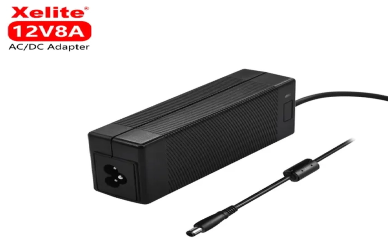
Power supply is the backbone of any IT infrastructure, providing the necessary energy to ensure that systems run smoothly and efficiently. In modern IT setups, Information Technology Equipment (ITE) and Audio-Visual (AV) systems play crucial roles in business operations, communication, and data management. From servers and workstations to display panels and conferencing tools, these devices rely heavily on a stable and reliable power source to perform their tasks without interruption. A robust power supply is essential not only to ensure the seamless operation of these devices but also to protect them from power-related issues that could lead to downtime, data loss, or equipment damage. In this context, a well-designed power supply solution supports the performance, longevity, and efficiency of the entire IT infrastructure.
Power supplies are essential to ensuring the stability and efficiency of IT and AV systems. They provide a constant, reliable flow of power, which is critical for the continuous operation of devices such as servers, networking equipment, and display systems. A stable power supply ensures that devices perform optimally, avoiding issues such as system crashes, data loss, or overheating. In addition, high-efficiency power supplies help reduce energy consumption, making them more sustainable and cost-effective in the long run by lowering operational costs.
Power supplies are responsible for distributing the correct voltage and current to various devices within the IT infrastructure:
Servers: Servers require consistent power to process large volumes of data, support multiple users, and maintain uptime. Any fluctuation in power can lead to system errors, performance degradation, or downtime.
Networking Equipment: Routers, switches, and other networking devices need reliable power to maintain connectivity between systems and devices across the network. These devices rely on steady power for communication and data transmission without interruptions.
Displays: Monitors and screens, particularly in AV setups, require power to provide high-quality images and video. High-resolution displays consume more power, and a stable power supply ensures they function correctly, delivering clear visuals for presentations, meetings, or media.
Audio Systems: AV audio devices such as amplifiers, speakers, and microphones rely on a consistent power source to produce high-quality sound without distortion. Unstable power can cause audio failures or poor-quality output, which is critical to business communications or entertainment.
Uninterrupted power is vital for the operation of critical IT systems, such as data centers, servers, and communication infrastructure. These systems handle essential tasks, from processing vast amounts of data in real time to maintaining constant connectivity and communication. Any disruption in power can lead to system downtime, data corruption, or complete service outages, which can significantly impact business operations, customer experience, and even revenue generation. Therefore, ensuring continuous power is not just a technical necessity but a critical business requirement to maintain operational integrity and service availability.
A reliable power supply minimizes the risks associated with power interruptions, ensuring that IT systems stay operational even during power outages or disturbances. For example, Uninterruptible Power Supply (UPS) systems and backup generators are commonly used in data centers and other critical IT infrastructures to provide a seamless transition during power failures. These backup solutions ensure that the systems remain online and that sensitive data is not lost, while also providing time for a controlled shutdown to prevent hardware damage.
Moreover, by investing in high-quality power supplies with surge protection and voltage regulation, businesses can prevent issues such as power spikes or sags, which can lead to hardware failure or system instability. In turn, this reduces the risk of system failures, preventing costly downtime and ensuring the continuous operation of IT services.
Energy-efficient power supplies play a crucial role in lowering operational costs for businesses that rely on IT infrastructure. These power supplies convert more input power into usable output, reducing energy waste in the form of heat and lowering overall energy consumption. By minimizing energy loss, businesses can decrease their utility bills, resulting in long-term savings. This is particularly beneficial for companies operating large-scale IT systems, such as data centers or enterprises with numerous servers and workstations, where energy costs can be significant.
High-efficiency power supplies, such as those with 80 PLUS certification, ensure that a greater percentage of the electricity consumed is converted into usable power. The 80 PLUS certification guarantees that the power supply operates at a minimum of 80% efficiency, even at varying loads. For example, a power supply with 90% efficiency means that only 10% of energy is wasted, reducing the total energy required to power IT systems. By upgrading to high-efficiency models, businesses can see substantial reductions in electricity costs, particularly in environments with continuous or high-demand energy usage, such as data centers, networking equipment, and AV systems.
In addition to direct cost savings, energy-efficient power supplies also reduce the need for extensive cooling systems, as less heat is generated, further cutting energy consumption and maintenance costs. By choosing energy-efficient power supplies, businesses not only reduce electricity bills but also contribute to sustainability efforts, making the transition to more eco-friendly and cost-effective IT infrastructure.
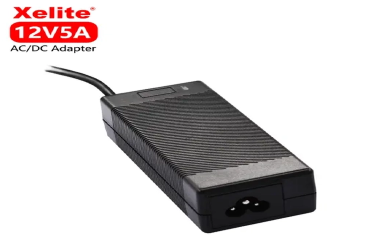
Power-related issues, such as surges, overvoltage, and short circuits, can cause severe damage to IT and AV systems, leading to expensive repairs, downtime, and data loss. To protect against these risks, it is essential to implement power protection features in power supplies. Surge protection prevents spikes in electricity, often caused by lightning or grid fluctuations, from reaching sensitive equipment. Overvoltage protection safeguards systems from receiving excessive voltage that could damage internal components, while short-circuit prevention ensures that if a fault occurs, the power supply automatically shuts down to prevent further damage.
These protection mechanisms are crucial for maintaining the integrity of both IT and AV systems, ensuring that they operate without interruption and reducing the likelihood of costly repairs or replacements.
By incorporating power protection features, businesses can significantly extend the lifespan of their IT and AV equipment. These protections help prevent the overheating, electrical damage, and component failures that often result from power surges or unstable voltage levels. Without these safeguards, IT systems such as servers, networking equipment, and storage devices, as well as AV systems like projectors and displays, are vulnerable to damage that can compromise performance and reliability.
In addition to protecting the equipment, these mechanisms also ensure that systems remain operational even in the face of external power disturbances, maintaining continuous operations. With proper power protection in place, businesses can minimize the risk of downtime, maintain the reliability of critical systems, and ultimately lower maintenance costs over time, leading to a more efficient and sustainable IT infrastructure.
As businesses grow, their IT infrastructure needs often expand, requiring additional power to support new equipment, devices, and operations. Scalable power supply systems are essential for accommodating this growth without the need for a complete overhaul of the existing power setup. These systems allow businesses to increase their power capacity as demand rises, ensuring that power distribution remains efficient and reliable. A scalable power supply system can grow in parallel with the business, making it more cost-effective and less disruptive than frequent system replacements.
Modular and flexible power supply solutions are particularly valuable for businesses with evolving IT requirements. These systems allow businesses to add or remove power modules based on current needs, providing the ability to customize power capacity as the infrastructure changes. For example, in a data center, businesses can integrate additional power modules to support new servers or networking equipment without impacting existing systems. This modularity ensures that power supplies are not overburdened, enhancing efficiency and reducing waste.
Flexible solutions can also help businesses manage fluctuations in power demand. For example, during peak usage times, businesses may need additional power to handle high workloads, while during quieter periods, power requirements may decrease. A flexible system can adapt to these changes, optimizing energy consumption and reducing operational costs. Overall, modular and scalable power supplies provide the flexibility needed to accommodate growth and ensure that businesses can easily adapt to changing power demands.
Reliable power is crucial for data centers to ensure continuous uptime and protect sensitive data. Unreliable power can lead to system failures, downtime, and data loss, which can have significant financial and reputational consequences. A stable power supply is essential to maintain uninterrupted services and safeguard equipment.
The best solutions are scalable, modular, and energy-efficient. Scalable power supplies allow businesses to expand as needed, while modular systems enable easy upgrades. Energy-efficient supplies, like 80 PLUS certified models, reduce energy costs while supporting high-demand environments.
Low-quality power supplies can cause unstable power delivery, leading to system crashes, data corruption, and hardware damage. They may lack essential protections, increasing the risk of failure, downtime, and costly repairs in critical IT systems.
Protection features like surge protection, overvoltage protection, and thermal shutdown prevent power surges and fluctuations from damaging sensitive equipment. These features ensure stable operation, reduce the risk of equipment failure, and extend the lifespan of IT systems.
ITE and AV power supplies play a crucial role in maintaining the efficiency, reliability, and security of IT infrastructure. A stable and reliable power supply ensures the smooth operation of critical systems, preventing downtime, data loss, and equipment damage. By investing in high-quality, energy-efficient, and scalable power solutions, businesses can not only reduce operational costs but also safeguard their IT and AV systems from power-related issues that could disrupt operations. Additionally, scalable and modular power supply solutions offer the flexibility to grow with the business, adapting to future needs and changes in power demand. For long-term business success, it is essential for organizations to prioritize these reliable power solutions, ensuring continuous operations and future-proofing their infrastructure.


