
- All
- Product Name
- Product Keyword
- Product Model
- Product Summary
- Product Description
- Multi Field Search
Email: sales@xelitepower.com
 English English
Author: Site Editor Publish Time: 01-27-2026 Origin: Site


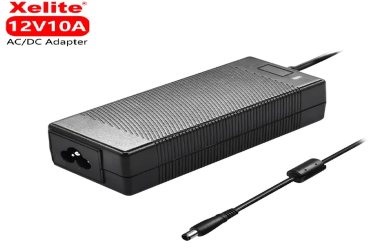
Power efficiency plays a crucial role in the performance and sustainability of Information Technology Equipment (ITE) and Audio-Visual (AV) systems. As businesses increasingly rely on these systems for daily operations, improving power efficiency becomes essential not only for reducing energy consumption but also for cutting operational costs. By adopting energy-efficient equipment and optimizing power management, businesses can lower electricity bills, reduce heat generation, and extend the lifespan of their equipment. Over time, these improvements lead to significant cost savings, making energy efficiency a key factor in both environmental sustainability and financial performance.
ITE systems, including servers and workstations, consume significant energy, especially when running 24/7. Servers, in particular, require continuous power to process data and support multiple users, leading to high energy consumption, particularly during peak loads.
AV systems, such as monitors, projectors, and audio devices, also contribute to power consumption. High-definition displays and large screens, particularly in AV setups, use more power due to their brightness and resolution. Similarly, projectors and audio equipment consume more energy when used over extended periods.
Several factors increase energy use in ITE and AV systems:
Continuous Operation: Devices running 24/7 without energy-saving modes increase power consumption.
Inefficient Components: Older, outdated devices consume more power compared to modern, energy-efficient ones.
Heavy Workloads: High-performance tasks, such as data processing and video streaming, require more power.
Lack of Power Management: Systems without power-saving features like sleep modes continue to consume energy when not in active use.
High-Resolution Displays: Devices with higher resolution and brightness, such as large monitors and projectors, require significantly more power.
Switching to ENERGY STAR-rated devices is one of the most effective ways to improve power efficiency. ENERGY STAR-certified products meet strict energy efficiency guidelines and consume less power while providing the same level of performance as non-certified devices. This upgrade not only reduces energy consumption but also lowers electricity bills in the long term, making it a cost-effective investment.
Utilizing power-saving modes and automatic shutdown features is an essential step in improving power efficiency. Many devices come with built-in power management options, such as sleep or hibernation modes, which reduce energy consumption when the system is idle. Additionally, configuring devices to automatically shut down after periods of inactivity can further cut unnecessary power use, helping to conserve energy without compromising productivity.
Proper system configuration plays a key role in improving power efficiency. This includes distributing workloads evenly across devices, minimizing idle time, and optimizing settings for performance and energy savings. For instance, ensuring servers are not overburdened with unnecessary tasks and configuring devices to enter low-power states when not in use can significantly reduce power consumption while maintaining operational efficiency.
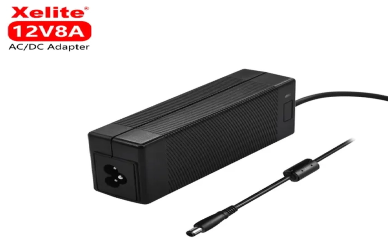
Choosing power supplies with high efficiency ratings, such as 80 PLUS certification, is another effective strategy. Power supplies with higher efficiency ratings convert more electricity into usable power and waste less energy as heat. This not only reduces energy consumption but also helps prevent overheating, improving the overall lifespan of equipment and reducing cooling costs.
Integrating renewable energy sources such as solar and wind power into ITE and AV systems significantly enhances energy sustainability. These sources provide clean, renewable energy, reducing reliance on traditional, non-renewable power grids. By utilizing renewable energy, businesses can decrease their carbon footprint, support environmentally-friendly practices, and contribute to global sustainability efforts.
Renewable energy solutions can also lead to substantial long-term cost savings. While the initial setup cost for solar panels or wind turbines may be high, the operational costs are much lower compared to conventional energy sources. Once installed, these systems require minimal maintenance and produce energy at a fraction of the cost, leading to significant reductions in utility bills over time. Businesses that generate their own renewable energy can also become less vulnerable to fluctuating energy prices.
Using renewable energy offers businesses greater energy independence. By generating their own power, businesses reduce their dependence on external suppliers and the grid, which can be prone to outages or price increases. This is especially beneficial for critical systems, where consistent and reliable power is essential. Integrating renewable energy ensures a more stable and self-sufficient energy supply for long-term operations.
To optimize power efficiency, businesses can implement power usage monitoring tools that track the energy consumption of individual devices or entire systems. These tools provide real-time insights into how much power each device or system is consuming, enabling businesses to identify areas where energy is being wasted. By monitoring power usage, organizations can make data-driven decisions about where improvements should be made, ensuring that energy resources are used as efficiently as possible. These tools can track both immediate consumption and trends over time, providing a comprehensive understanding of how energy is being consumed and where adjustments are needed.
Power usage monitoring tools are invaluable in identifying inefficiencies. They can highlight devices that remain powered on unnecessarily, underperforming equipment that uses more energy than it should, or systems that are running at peak capacity even when not required. By analyzing the data collected from these tools, businesses can pinpoint specific areas where energy usage can be reduced. This may include switching to energy-efficient devices, adjusting device settings (such as dimming screens or enabling sleep modes), or optimizing usage patterns (e.g., consolidating workloads to minimize idle times). Recognizing these inefficiencies helps businesses drive targeted energy-saving initiatives, reducing unnecessary energy consumption and lowering operational costs.
Many advanced monitoring tools allow businesses to set alerts for unusual power usage patterns, such as spikes in consumption or devices that continue to draw power after hours. These alerts act as a proactive measure to catch inefficiencies early. For example, if a server is drawing excessive power during off-peak hours or an AV system is running without being used, an alert can notify the responsible personnel. This gives managers or system administrators the opportunity to take immediate action, such as investigating the cause, adjusting system settings, or shutting down unused equipment. This approach helps businesses prevent unnecessary energy consumption before it becomes a costly issue. It also promotes better energy habits, fostering a culture of energy efficiency across the organization.
Power efficiency in ITE and AV systems can be measured by comparing the amount of usable power generated to the total energy consumed. Tools like power meters and energy monitoring software can track real-time consumption and efficiency, identifying areas for improvement. Efficiency ratings such as 80 PLUS certification for power supplies can also provide insight into how much energy is being effectively used.
While the initial investment in energy-efficient equipment or power-saving features may require upfront costs, many upgrades pay off quickly by reducing electricity bills and lowering maintenance costs. In the short term, businesses can benefit from immediate savings, especially in systems that run continuously, such as servers and AV equipment, making efficiency upgrades a cost-effective solution for many industries.
Some common mistakes include:
Overestimating the savings: Not all equipment will offer the same level of savings, so businesses should calculate expected returns before investing.
Ignoring system compatibility: Upgrading individual components without considering system-wide needs may lead to inefficiency or compatibility issues.
Neglecting maintenance: Focusing solely on upgrades while ignoring regular maintenance and power management settings can limit the effectiveness of energy-saving efforts.
Using energy-efficient power supplies generally has a positive impact on system performance. High-efficiency power supplies waste less energy as heat, reducing the load on cooling systems and preventing overheating. This can lead to more stable system performance, lower risk of component damage, and potentially longer lifespans for equipment. Additionally, energy-efficient power supplies often include features that improve the overall reliability of the system.
Improving power efficiency in ITE and AV systems is essential for reducing operational costs and supporting sustainable business practices. Key strategies include upgrading to energy-efficient equipment, implementing power management features, optimizing system configurations, and utilizing high-efficiency power supplies. Additionally, integrating renewable energy sources can further enhance energy sustainability while lowering long-term costs. By actively monitoring and managing power usage with the help of monitoring tools, businesses can identify inefficiencies and make informed decisions to optimize their energy consumption. These efforts not only lead to significant financial savings but also contribute to a greener, more responsible operation. Businesses should regularly assess their power efficiency and make the necessary changes to ensure continuous improvements and maximize long-term savings.


