
- All
- Product Name
- Product Keyword
- Product Model
- Product Summary
- Product Description
- Multi Field Search
Email: sales@xelitepower.com
 English English
Author: Site Editor Publish Time: 01-26-2026 Origin: Site


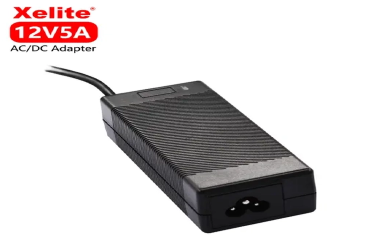
In today's interconnected world, Information Technology Equipment (ITE) and Audio-Visual (AV) systems are integral to the functioning of businesses, healthcare, industrial operations, and numerous other critical sectors. These systems rely heavily on stable and reliable power supplies to ensure seamless performance. The power supply serves as the backbone of these systems, enabling them to operate efficiently without disruptions. For critical systems, such as data centers, medical equipment, or security systems, even a brief power failure can lead to significant downtime, data loss, or equipment malfunction. Therefore, having a robust ITE and AV power supply is essential in maintaining system reliability, safeguarding valuable data, and ensuring continuous operation. Stable power not only ensures performance but also prevents costly repairs and reduces the risk of damaging sensitive equipment, which is why it is crucial to prioritize a reliable and uninterrupted power supply.
The power supply is crucial for the operation of both Information Technology Equipment (ITE) and Audio-Visual (AV) systems. In ITE systems, such as servers and computers, power ensures devices operate efficiently and stay connected to networks. Similarly, AV systems depend on a reliable power source to deliver high-quality audio and video signals. A disruption in power can cause system failures, data loss, or performance degradation.
For critical systems in sectors like healthcare, finance, and emergency services, power supply stability is essential. A brief power failure can have serious consequences, such as disruption of patient care, financial loss, or compromised security. These systems require stable power to ensure they operate without interruption, maintaining smooth operations even during power disturbances.
In addition to stability, reliability is key. Unreliable power can lead to unexpected shutdowns, data corruption, and equipment damage. Critical systems need power solutions that protect against voltage spikes, surges, and interruptions. Using reliable power supplies with built-in protections like surge protectors and uninterruptible power supplies (UPS) helps avoid costly downtime and equipment failure.
Power interruptions are one of the most significant challenges faced by critical systems. These interruptions can range from short outages to extended power failures. Even brief disruptions in power can cause significant downtime for systems that require continuous operation, such as data centers, medical devices, or security systems. For instance, a power outage in a hospital can affect life-saving equipment, leading to serious consequences.
Impact on System Performance
Power interruptions can lead to system crashes, data loss, or corruption, particularly in systems that do not have backup power solutions in place. In IT systems, power loss can cause servers to shut down improperly, resulting in system instability when power is restored. In AV systems, power loss during a critical presentation or broadcast can disrupt the flow of information, affecting the user experience or security operations.
Voltage fluctuations, including surges, sags, or brownouts, can also be problematic for critical systems. These fluctuations may occur due to issues in the power grid or equipment malfunctions. A voltage surge, for example, can damage sensitive electronic components, while voltage sags or brownouts can cause systems to underperform or malfunction.
Impact on System Performance
Voltage fluctuations can lead to equipment failure or diminished system performance. In IT systems, components like hard drives, motherboards, and processors are especially vulnerable to voltage spikes. In AV systems, fluctuations can cause poor signal quality, screen flickering, or even permanent damage to equipment, resulting in expensive repairs and replacements. Systems that rely on precise data or high-quality visuals can be severely impacted by inconsistent power levels.
Inconsistent power quality, which involves a combination of both interruptions and fluctuations, can cause further instability in critical systems. Issues like harmonic distortion, noise, and power line interference can reduce the efficiency of electrical components and degrade the performance of the entire system.
Impact on System Performance
Poor power quality can lead to malfunctioning hardware, slower processing speeds, and reduced equipment lifespan. For example, noise or harmonic distortion in power supplies can interfere with the operation of IT and AV systems, leading to inaccurate data processing or visual/audio degradation. In industries where precision is critical, such as medical imaging or financial transactions, poor power quality can have severe consequences.
Inconsistent power supply can also cause thermal stress in critical systems. Systems that experience frequent power interruptions or fluctuations can suffer from rapid heating and cooling cycles, which can damage internal components over time. This is particularly true for high-performance computing systems and AV equipment that generate significant amounts of heat.
Impact on System Performance
Thermal stress can shorten the lifespan of electronic components and lead to failures in power supply units, processors, and other sensitive parts. Overheating can cause systems to shut down unexpectedly or degrade performance due to thermal throttling. In critical environments, this can result in increased maintenance costs and reduced operational efficiency.
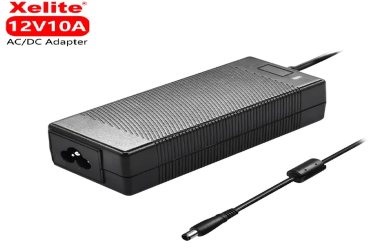
High efficiency is one of the most crucial features of a robust power supply. Efficient power supplies minimize energy loss by converting more input energy into usable output energy while generating less heat. This is essential in maintaining system performance, especially in environments where power consumption is high or where energy cost reduction is a priority.
Impact on System Stability
Efficient power supplies ensure that the system receives a steady and reliable power flow without significant energy waste. By reducing the generation of excess heat, high-efficiency power supplies help prevent thermal stress on system components. This reduces the likelihood of overheating, which can lead to system failures or degraded performance. Over time, efficiency also contributes to lower operating costs, making it essential for long-term system stability and cost-effectiveness.
Low noise in power supplies refers to minimizing electromagnetic interference (EMI) and other electrical disturbances that can affect the system’s operation. Excessive noise can corrupt data, cause signal degradation, or interfere with the performance of sensitive equipment, particularly in AV systems where clear audio and video signals are critical.
Impact on System Stability
A low-noise power supply ensures that critical systems, especially those requiring high precision such as medical devices or broadcasting equipment, can operate without external disruptions. By preventing signal distortions and reducing the risk of data corruption, low-noise power supplies contribute to more reliable, high-quality system performance. This is particularly important for AV systems where signal integrity is key to delivering high-definition visuals and clear audio.
Robust power supplies are equipped with various protection mechanisms to safeguard systems against power surges, short circuits, overloads, and overheating. Common protection features include overcurrent protection (OCP), overvoltage protection (OVP), short circuit protection (SCP), and thermal protection. These mechanisms ensure that the power supply and connected equipment remain safe even in adverse conditions.
Impact on System Stability
Protection mechanisms prevent damage to sensitive equipment by automatically shutting down or limiting power when unsafe conditions are detected. For instance, surge protection prevents damage from lightning strikes or sudden spikes in power, while thermal protection helps avoid overheating that could harm internal components. These safety features ensure that the power supply continues to operate reliably over time, extending the lifespan of both the power supply and the system it supports.
Many robust power supplies include Uninterruptible Power Supply (UPS) capabilities, which provide backup power during power outages. A UPS ensures that critical systems continue to operate momentarily during an interruption and allows for a controlled shutdown to prevent data loss or hardware damage.
Impact on System Stability
UPS functionality is vital in environments where uptime is critical. It provides a temporary buffer during unexpected power failures, allowing systems to continue operating or be properly powered down to prevent damage. This ensures business continuity and protects against data corruption or loss during outages, contributing to long-term stability and reliability.
A good power supply can adapt to varying load conditions without compromising stability. Systems in enterprise environments often experience fluctuations in power demand due to changes in workload or equipment usage. A robust power supply can automatically adjust to these load variations without causing performance dips or instability.
Impact on System Stability
This adaptability ensures that the power supply consistently meets the system’s needs without overloading or underdelivering. In critical systems where performance is directly tied to power supply consistency, the ability to maintain stable output under varying loads is essential for long-term, uninterrupted operation. It helps prevent issues such as system crashes or hardware failure due to insufficient or excessive power delivery.
Ensure the power supply matches your system's voltage, current, and power needs. Undersized units can cause instability, while oversized ones may lead to inefficiency.
Tip: Calculate peak and average load requirements, and choose a power supply that meets these needs, with room for future expansion.
Look for certifications like CE, UL, and ISO 9001 to ensure the power supply meets safety, reliability, and environmental standards.
Tip: Choose certified power supplies appropriate for your industry, like UL60601 for medical equipment.
Power supplies should include protections against surges, overvoltage, short circuits, and overheating to safeguard systems from electrical disturbances.
Tip: Ensure features like overcurrent protection (OCP), overvoltage protection (OVP), and short-circuit protection (SCP) are included.
High-efficiency power supplies reduce energy loss and heat generation, which is essential for long-term performance and reducing operating costs.
Tip: Look for power supplies with 80 PLUS certification to improve efficiency and reduce energy costs.
For systems that require continuous operation, integrate a Uninterruptible Power Supply (UPS) to provide backup power during outages.
Tip: Choose a UPS that provides adequate backup time to continue operations or safely shut down systems.
Unreliable power supplies can cause interruptions, voltage fluctuations, and system instability, leading to data corruption, equipment damage, and downtime. In critical systems, this can disrupt essential services and result in significant losses.
Assess your AV system's power needs, including total wattage, voltage, and current. Choose a power supply with features like high efficiency, surge protection, low noise, and scalability, and ensure it meets industry certifications.
A robust power supply typically offers high efficiency, low noise, multiple protection features (e.g., overcurrent, overvoltage, thermal protection), and adaptability to varying loads. Some also include UPS capabilities to prevent downtime during outages.
Yes, a poor power supply can cause system crashes, data loss, and equipment failure. Voltage fluctuations and inadequate power delivery reduce performance and may lead to permanent damage, compromising efficiency and reliability.
A robust power supply is essential for maintaining the stability and reliability of critical systems, ensuring they operate smoothly without interruptions or damage. It protects against power fluctuations, disruptions, and inefficiencies that can lead to downtime, data loss, or equipment failure. Businesses must prioritize selecting the right power supply solutions that match their system's specific needs, considering factors like load requirements, protection features, and scalability. By choosing high-quality, efficient, and reliable power supplies, businesses can safeguard their operations, reduce maintenance costs, and ensure the long-term performance of their critical systems.


